
Nestled in the rugged Coast Mountains of British Columbia, Golden Ears Provincial Park stands as one of the most magnificent and sprawling protected areas in the province. Covering over 62,000 hectares of dense coastal western hemlock forest, rushing rivers, and soaring alpine peaks, this park is a true sanctuary for outdoor enthusiasts. Located just north of Maple Ridge, Golden Ears Provincial Park offers an unparalleled escape into nature while remaining remarkably accessible from Metro Vancouver.
Whether you are seeking a peaceful weekend getaway or an intense mountain adventure, Golden Ears Provincial Park delivers some of the finest scenery in Western Canada. Visitors from across the globe and locals alike flock to this wilderness area to experience its dramatic mountain landscapes, the expansive waters of Alouette Lake, and a world-class network of hiking trails. From family-friendly picnics along the shore to challenging backcountry mountaineering, the park caters to every level of outdoor experience.
The park is renowned for its diverse recreational offerings, making it a premier destination for camping, hiking, swimming, canoeing, and wildlife viewing. It serves as a vital ecological corridor and a spectacular playground where you can marvel at cascading waterfalls, walk beneath moss-draped ancient trees, and stand on summits overlooking the Fraser Valley. This comprehensive guide serves as your definitive handbook, providing every practical detail you need to plan an unforgettable journey into the heart of Golden Ears.

About Golden Ears Provincial Park
Golden Ears Provincial Park is characterized by its dramatic topography, shaped by ancient glaciers and heavy coastal precipitation. The park is named after the twin peaks of Mount Blanshard, which colloquially resemble golden ears when illuminated by the setting sun. The landscape is a classic example of British Columbia’s wet, coastal ecosystem, featuring massive Douglas fir, western red cedar, and western hemlock trees that thrive in the lush river valleys.
The park is bisected by major water systems, including the massive Alouette Lake, Gold Creek, and the Alouette River. These water bodies define the recreational layout of the park, creating distinct zones for water sports, frontcountry camping, and wilderness hiking. The higher elevations transition sharply into rugged alpine terrain, where subalpine meadows give way to sheer granite rock faces, permanent snowfields, and jagged summits that challenge even seasoned mountaineers.
What sets Golden Ears apart from other provincial parks near Vancouver is its immense scale combined with its accessibility. While parks like Mount Seymour or Cypress Provincial Park focus heavily on winter sports and quick subalpine views, Golden Ears provides a deep-woods wilderness experience complete with massive lakes and extensive river canyons. It provides a rare sense of profound isolation and wilderness immersion just a short drive from major urban centers.
The park functions as a multi-use recreational area divided into three primary zones. The southern portal focuses heavily on day-use lake access and family picnicking. The central corridor along Gold Creek serves as the hub for frontcountry camping and major trailheads. The vast northern and eastern expanses remain completely undeveloped, preserved as primitive backcountry designed for self-sufficient wilderness exploration. This structural variety ensures that both casual day-trippers and dedicated wilderness adventurers can find their ideal outdoor space.
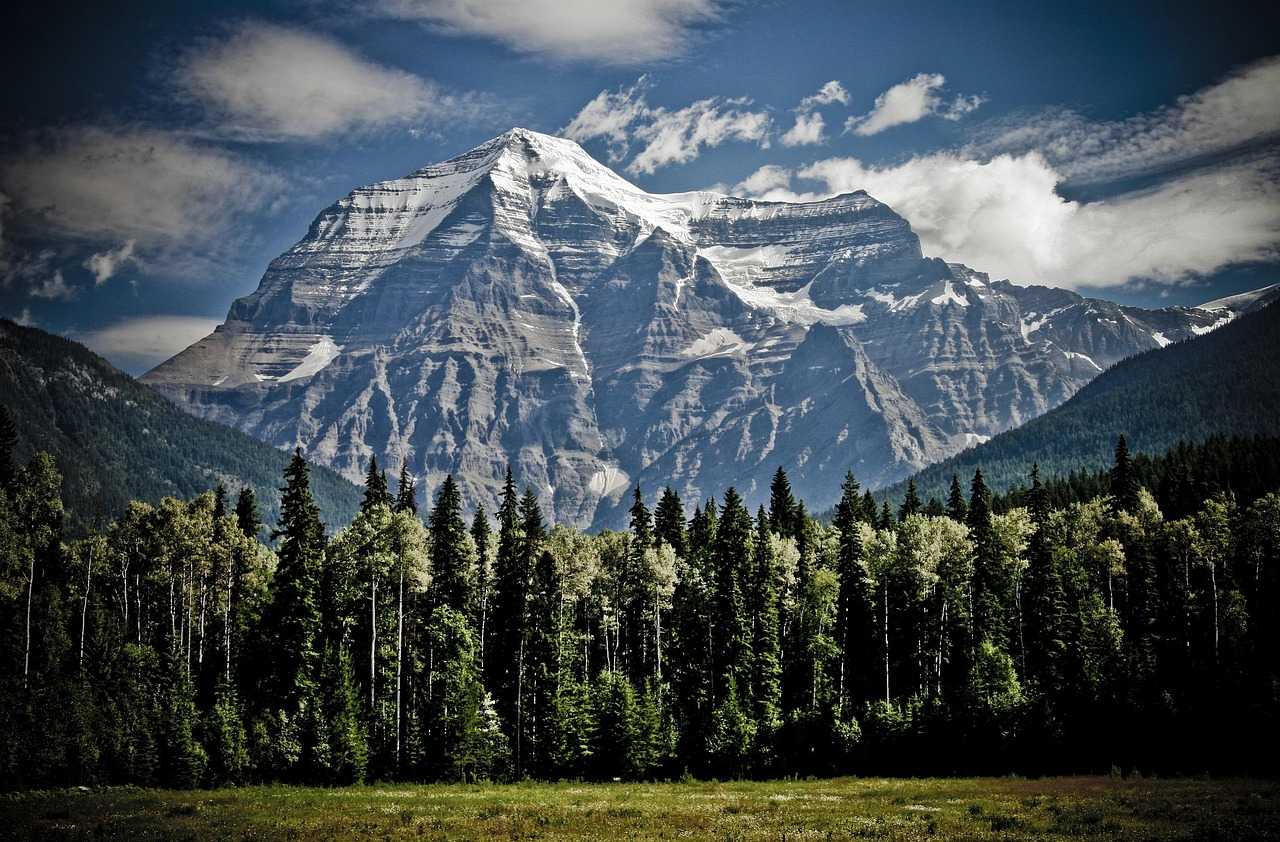
Where Is Golden Ears Provincial Park?
Golden Ears Provincial Park is located in the municipality of Maple Ridge, British Columbia, along the northern edge of the Fraser Valley. It rests on the north side of the Fraser River, tucked securely into the southern reaches of the Coast Mountains. The main entrance to the park is accessed via Fern Crescent and Golden Ears Parkway, which winds deep into the park’s interior.
Proximity to Major Cities
The park is highly accessible from across the Lower Mainland, making it a highly popular destination for a quick day trip or a weekend getaway.
- Vancouver: Approximately 50 kilometres (31 miles) west of the park, with an average driving time of 60 to 75 minutes depending on traffic conditions.
- Burnaby: Located roughly 40 kilometres away, taking about 50 to 60 minutes via Highway 1 and Lougheed Highway.
- Surrey: Situated 35 kilometres south, requiring a 45-minute drive across the Golden Ears Bridge.
- Langley: Approximately 30 kilometres away, offering a direct 40-minute route heading north over the Fraser River.
- Coquitlam: Located 30 kilometres to the west, taking about 40 minutes along the Lougheed Highway corridor.
- Abbotsford: Situated 55 kilometres to the southeast, requiring roughly an hour of travel time along Highway 1 and north through Langley or Mission.
Driving Access and Parking
The primary access route is the Golden Ears Parkway, a well-maintained, fully paved road that runs from the park boundary to the main day-use areas at Alouette Lake and the Gold Creek campground. The parkway is winding and scenic, requiring drivers to adhere strictly to posted speed limits due to pedestrian traffic, cyclists, and crossing wildlife.
Ample parking is distributed across several dedicated lots throughout the park. The largest parking areas are located at the South Beach and North Beach day-use areas along Alouette Lake, as well as the Gold Creek lot, which serves as the primary gateway for major hikes. During peak summer operational periods, these lots fill up exceptionally early, often resulting in temporary road closures at the park gate once maximum capacity is reached.
Public Transit and Transportation Logistics
Public transit options directly into Golden Ears Provincial Park are non-existent. TransLink buses service the downtown core of Maple Ridge and surrounding residential neighbourhoods, but they do not extend into the park wilderness. The closest bus stops are located several kilometres away near the park boundaries, leaving a long, hazardous walk along narrow, shoulderless roads to reach the actual park gates.
Consequently, a private vehicle, rideshare, or bicycle is mandatory for practical access. If you are cycling into the park, be prepared for significant elevation gains and a lack of dedicated bike lanes on the main parkway. For motorists, ensuring your vehicle has a full tank of fuel before entering is essential, as there are no service stations or charging facilities located within the park boundaries.
Traffic and Weekend Arrival Tips
Due to its close proximity to Vancouver, traffic leading into the park can become severely congested during summer weekends, statutory holidays, and periods of exceptionally warm weather. The stretch of road along Fern Crescent and the initial segments of the Golden Ears Parkway can experience slow-moving queues as park rangers manage vehicle volumes and verify day-use passes.
To secure a parking space and avoid gridlock, plan to arrive at the park gates before 8:00 AM during the summer months. Arriving late in the morning often means facing long delays, full parking lots, or being turned away entirely at the main entrance. Mid-week visits are highly recommended for those looking to experience the park with a fraction of the crowds and minimal traffic delays.
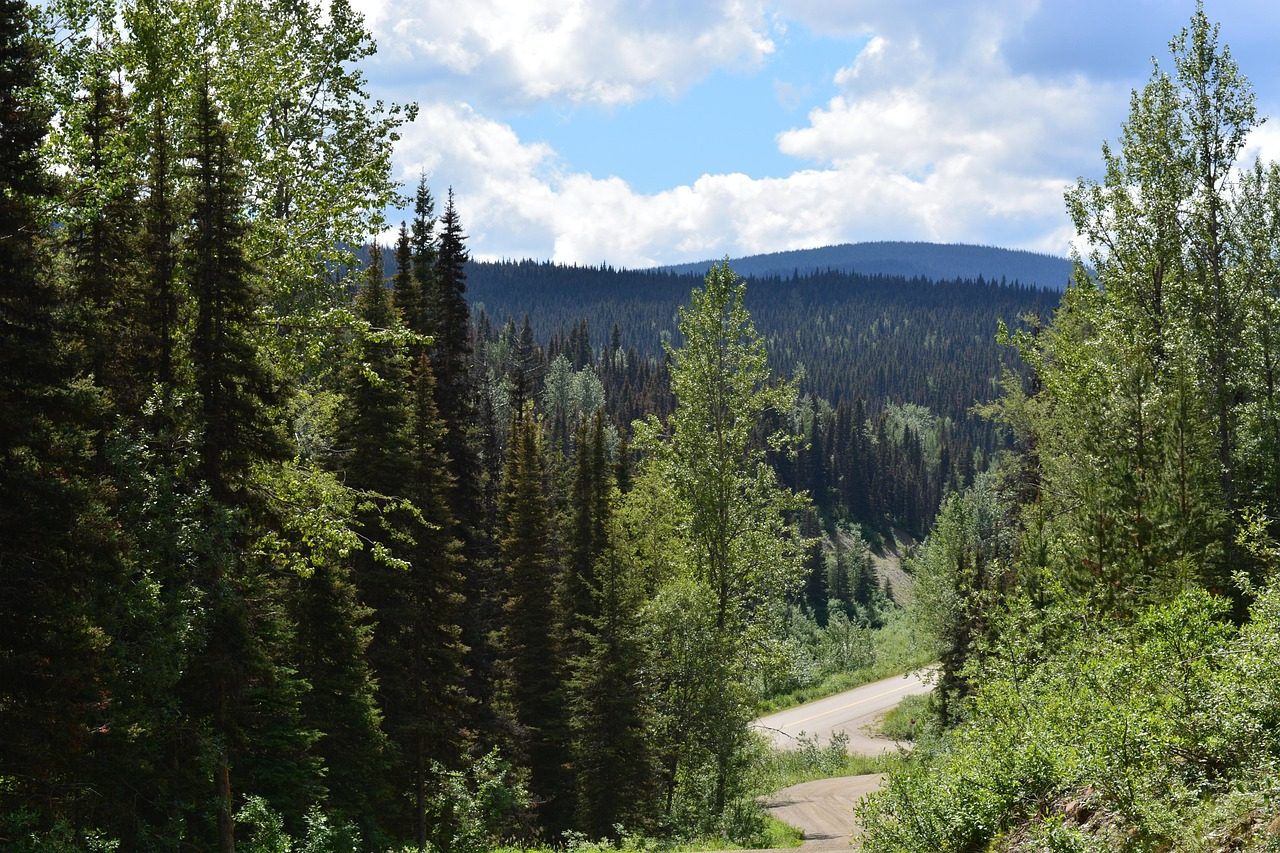
Best Time to Visit Golden Ears Provincial Park
Every season brings a distinct transformation to Golden Ears, altering trail conditions, water levels, and the overall wilderness experience. Choosing when to visit depends heavily on the specific activities you want to pursue.
Visiting in Spring
Spring introduces a dynamic period of transition as the winter snowpack begins to melt rapidly in the higher elevations. This season turns the park into a lush, vibrant green wonderland, with mosses and ferns bursting into life along the valley floor.
- Trail Conditions: Low-elevation trails are generally accessible but can be highly muddy, wet, and slick. High-elevation routes remain covered in deep, unstable snow and require specialized winter traction gear well into June.
- Waterfall Flow: This is the absolute peak season for waterfall viewing. Gold Creek Falls and other seasonal cascades run with incredible force and volume due to heavy snowmelt, providing spectacular photography opportunities.
- Weather and Crowds: Weather is unpredictable, ranging from bright sunshine to heavy coastal rain showers. Crowds are moderate, making spring an ideal time for peaceful walks before the summer rush begins.
- Pros: Spectacular, roaring waterfalls; minimal crowds; lush forest scenery; comfortable hiking temperatures at low elevations.
- Cons: Muddy trails; high water levels can make creek crossings hazardous; snow blocks access to alpine peaks.
Visiting in Summer
Summer is the undeniable peak operational season for the park, drawing thousands of sunshine seekers, campers, and outdoor adventurers daily.
- Recreation Focus: The focus shifts entirely toward Alouette Lake swimming, beach picnicking, paddleboarding, canoeing, and long-distance mountain trekking.
- Trail Conditions: Forest trails dry out completely, and high-elevation alpine routes finally clear of snow, opening up access to the Golden Ears Summit and Evans Peak.
- Logistics and Weather: Days are long, hot, and dry, providing ample daylight for extended hikes. However, this is also the most challenging season for parking, requiring day-use passes and early arrivals.
- Pros: Warm swimming conditions; clear alpine trails; consistent sunny weather; full facility availability.
- Cons: Extreme crowds; competitive campsite bookings; required day-use passes; potential campfire bans due to wildfire risks.
Visiting in Fall
Autumn brings a serene, moody atmosphere to the coastal rainforest as the summer crowds dissipate and the weather cools.
- Visuals and Weather: The deciduous trees scattered throughout the river valleys turn brilliant shades of gold and amber, contrasting beautifully against the dark green evergreens. Rainfall increases significantly as the season progresses, returning the park to its classic wet, misty state.
- Hiking Conditions: September and October offer some of the finest hiking conditions of the year, featuring crisp, cool air, dry alpine trails, and exceptionally quiet routes. By November, heavy autumn storms frequently wash out trails and bring early snowfall to the peaks.
- Pros: Stunning fall colours; quiet trails; no day-use pass requirements; excellent atmosphere for photography.
- Cons: Rapidly decreasing daylight hours; higher probability of prolonged rain; dropping temperatures; reduced park facilities.
Visiting in Winter
Winter blankets the upper elevations of Golden Ears in deep snow while turning the valley floor into a quiet, mossy rain forest.
- Atmosphere and Safety: The park feels incredibly isolated and peaceful during the winter months. Low-elevation trails remain open for hardy walkers, but they are often wet, muddy, and icy. High-elevation trails present severe winter mountaineering hazards, including avalanche risks.
- Park Operations: Sections of the Golden Ears Parkway may close temporarily during heavy snowfall events until plows can clear the road. Main campgrounds are closed or operate on a strictly limited, unserviced winter basis.
- Pros: Profound solitude; beautiful snow-capped mountain backdrops; peaceful forest walks.
- Cons: Cold, wet weather; high risk of ice and snow on trails; very short days; limited facility access; avalanche hazards in the backcountry.
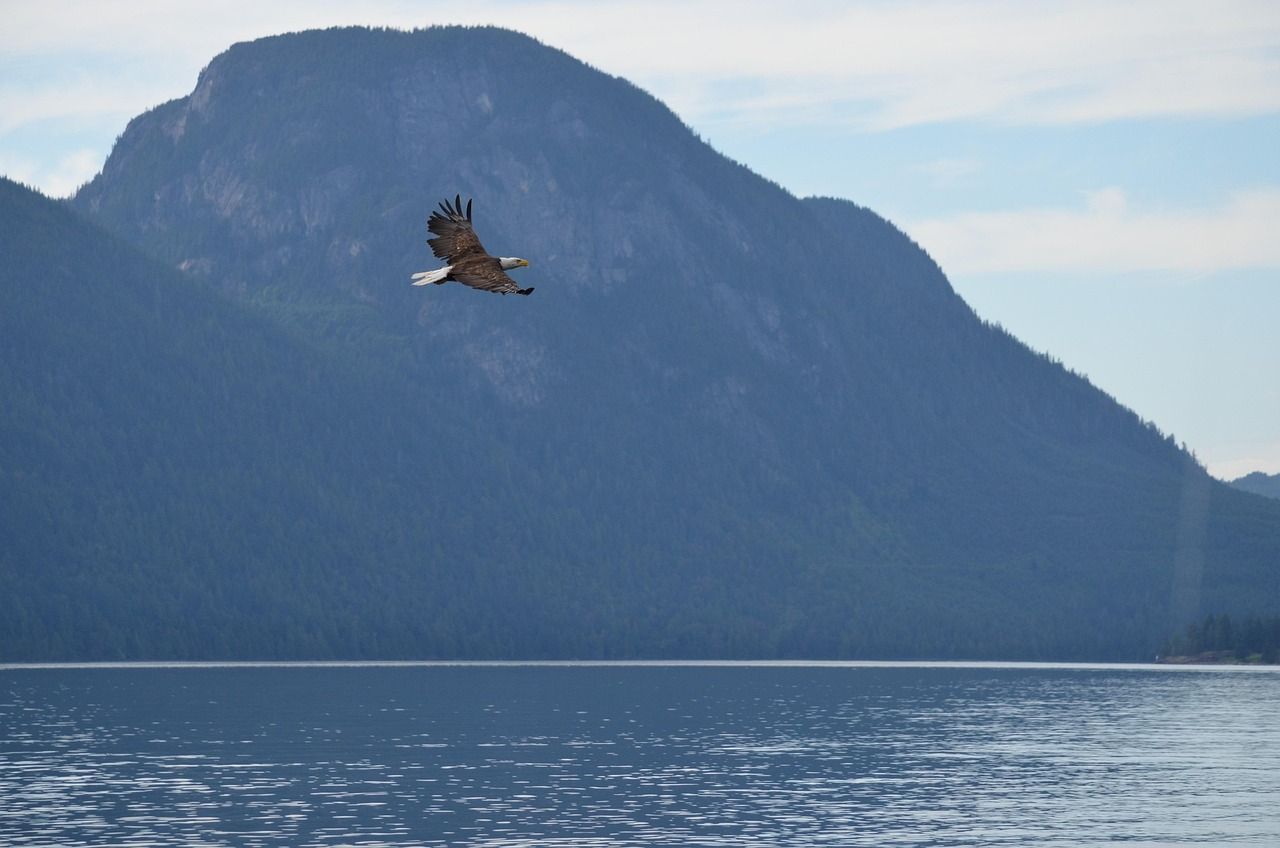
Things to Do in Golden Ears Provincial Park
The sheer size of Golden Ears Provincial Park allows it to host an extensive array of recreational activities designed for visitors of all ages and fitness levels.
- Hiking: From flat, accessible forest boardwalks to grueling multi-day mountaineering expeditions, the extensive trail network is a primary draw for visitors.
- Camping: The park hosts some of the largest and most popular campgrounds in British Columbia, offering frontcountry vehicle camping, group sites, and primitive backcountry zones.
- Swimming: The clear, refreshing waters of Alouette Lake serve as a major swimming destination for families looking to cool off during the heat of summer.
- Canoeing, Kayaking, and Paddleboarding: The long, protected waters of Alouette Lake offer kilometres of shoreline perfect for human-powered watercraft exploration.
- Boating: A dedicated boat launch allows motorized vessels to explore the remote northern reaches of Alouette Lake, which is popular for waterskiing and wakeboarding.
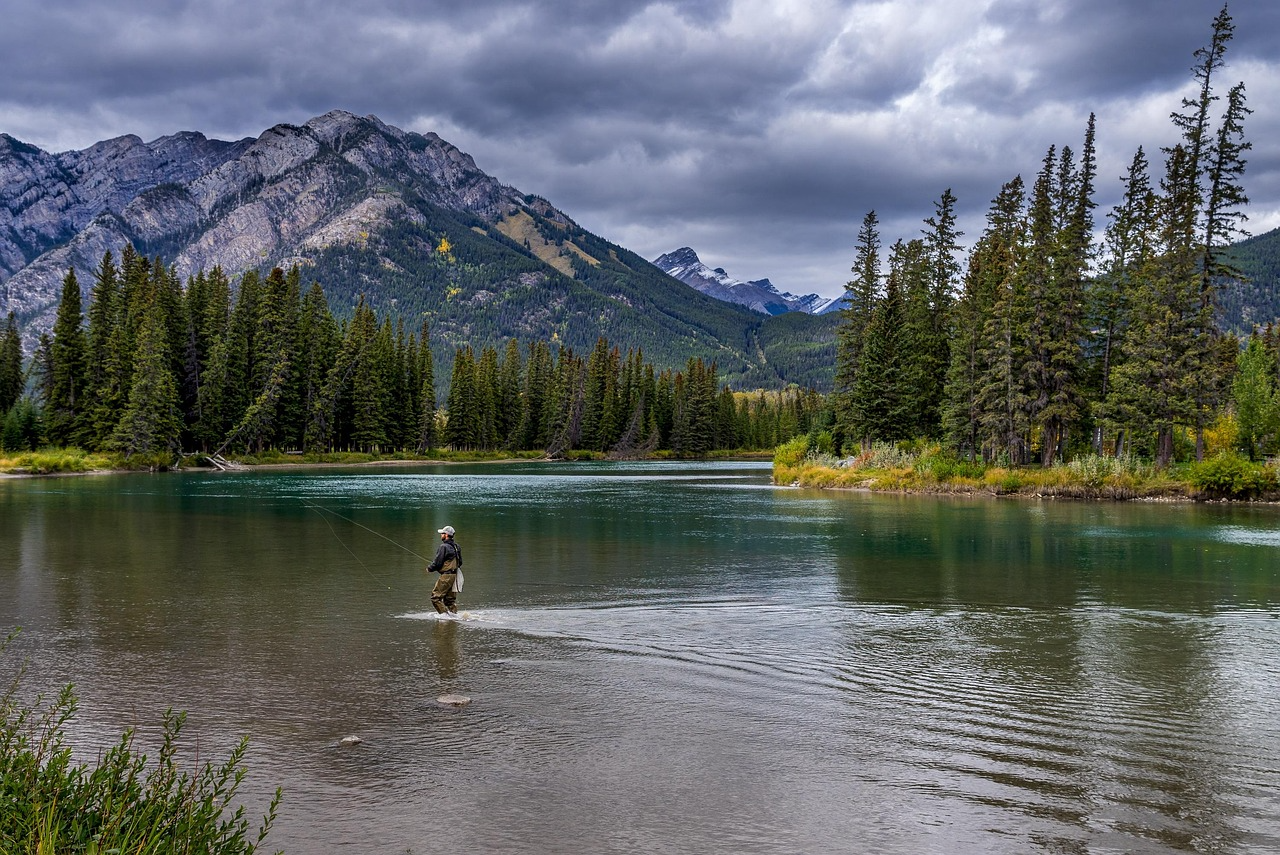
- Fishing: Anglers can cast lines from the shore or from boats targeting various trout species inhabiting the deep lake and pristine mountain creeks.
- Picnicking: Vast, grassy day-use areas equipped with picnic tables, shade trees, and pristine mountain views line the southern shores of the lake.
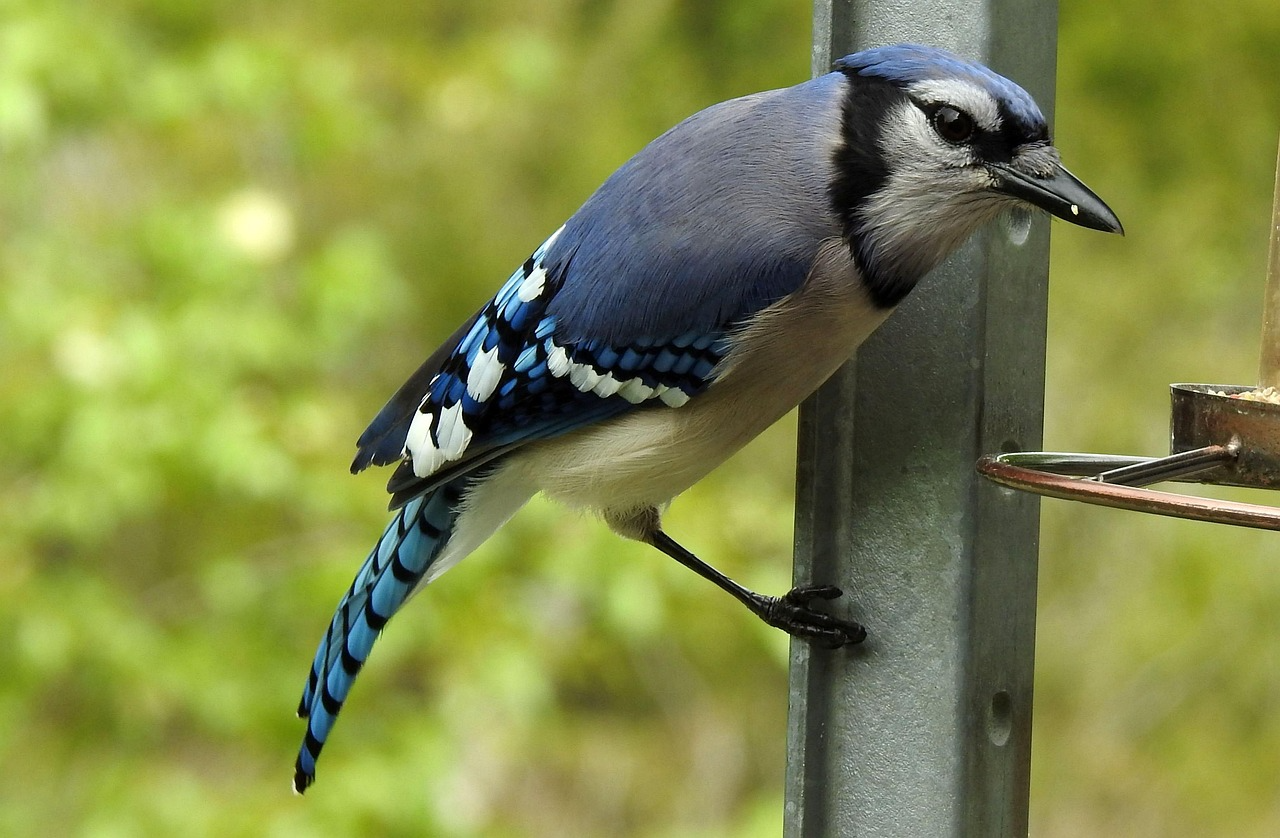
- Wildlife Watching: The park is a thriving habitat for black bears, black-tailed deer, eagles, and numerous bird species, offering ample viewing opportunities for respectful observers.
- Photography: The dramatic contrast between the massive lake, deep river canyons, rushing waterfalls, and jagged peaks provides endless creative material for photographers.
Hiking in Golden Ears Provincial Park
The trail system within Golden Ears Provincial Park is iconic, recognized across British Columbia for its variety, scenic rewards, and rugged beauty. Trails here weave through a variety of terrains, from the flat gravel paths of the valley floor to steep, root-choked slopes that lead directly to exposed alpine ridges.
Trail Varieties and Conditions
Before setting out on any of the Golden Ears trails, it is vital to understand that this is a true coastal wilderness area. While popular trails near the main parking lots are well-marked and heavily maintained, secondary and high-elevation routes can be exceptionally rugged. Hikers must regularly navigate exposed tree roots, slick granite rock slabs, muddy bogs, and deep creek crossings.
Elevation gains on mountain routes are sudden and relentless. Weather conditions can change drastically within an hour; a warm, sunny day at the lake can easily correspond with a freezing, wind-driven rainstorm or sudden cloud cover on the upper peaks. Cell service disappears entirely once you travel a short distance past the main park gate, making self-reliance and proper navigation gear non-negotiable.
Importance of Preparation
Preparation is the defining factor between an enjoyable hike and a dangerous emergency situation. Hikers attempting anything beyond the casual valley walks must wear sturdy, supportive footwear with deep tread to handle slippery roots and loose rock. Carrying the essential survival tools—such as extra warm clothing, a headlamp, emergency shelter, a whistle, a physical map, and a reliable water filtration device—is mandatory for every venture into the backcountry. Always leave a detailed trip plan with a trusted contact before heading out on any of the park’s more challenging trails.
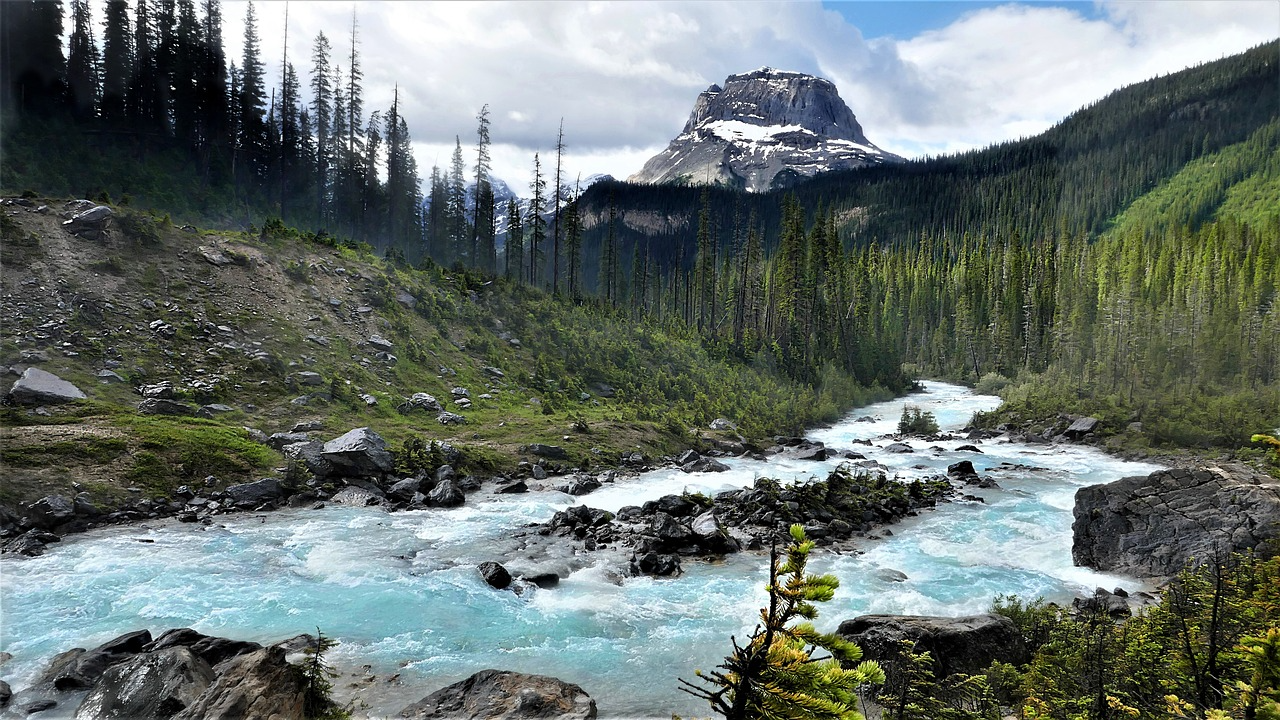
Best Hikes in Golden Ears Provincial Park
Gold Creek Falls Trail
The hike to Gold Creek Falls is undoubtedly the most popular trail in the park, offering an exceptional reward for relatively minimal physical effort.
- Distance: 5.5 kilometres round trip
- Difficulty: Easy
- Estimated Time: 1.5 to 2 hours
- Elevation Gain: Approximately 45 metres
The trail begins at the Gold Creek parking lot and follows a wide, gently undulating path through a beautiful second-growth forest. The wide trail is highly accessible, making it perfect for families, young children, and casual walkers. As you hike, the soothing sound of the rushing creek accompanies you through the trees, with occasional clearings offering views of the emerald-green waters.
The climax of the hike is an impressive viewing platform looking directly at Gold Creek Falls, where a massive volume of water plunges over a wide ledge into a deep, churning pool below. The mist rising from the falls provides a refreshing cool breeze during hot summer days. The trail is accessible year-round, though extra caution is required in winter when spray from the falls can freeze, turning the viewing rocks into slick ice sheets.
Lower Falls Trail
The Lower Falls Trail is essentially the primary route leading directly to Gold Creek Falls, running along the eastern side of Gold Creek.
The experience along this trail is defined by its deep forest cover, beautiful carpets of moss, and towering ferns. It offers excellent glimpses of the surrounding mountain peaks framing the river valley. The path is flat and gravel-surfaced, designed to accommodate almost all physical fitness levels. It serves as an exceptional introduction to the coastal rainforest ecosystem for international visitors who may not be accustomed to the sheer scale of British Columbia’s wilderness timber.
Alouette Lake Trail and Lakeside Walking Areas
For those seeking a casual walk rather than a structured hike, the network of lakeside trails winding around the South Beach and North Beach day-use areas is a perfect option.
These flat, interconnected walking paths trace the scenic contours of the Alouette Lake shoreline. They offer panoramic, unobstructed views across the vast water toward the mountain ridges rising steeply from the opposite bank. These trails are highly favored by families pushing strollers, elderly visitors, and photographers looking to capture the soft light of early morning or late evening. They provide easy access to quiet, secluded pebbled beaches away from the main swimming crowds.
Mike Lake Loop
Tucked away in a quieter, forested pocket of the park, the Mike Lake Loop offers a peaceful loop around a small, tranquil wetland lake.
- Distance: 1.7-kilometre loop
- Difficulty: Easy
- Estimated Time: 45 minutes
- Elevation Gain: Minimal
This trail provides a stark contrast to the busy shores of Alouette Lake. The path circles a marshy, bog-like lake environment that is a haven for local wildlife. It is an exceptional spot for birdwatching, as various waterfowl, woodpeckers, and songbirds frequent the dense shoreline vegetation. The trail is heavily shaded by a thick canopy of cedar and hemlock trees, creating a cool, reflective atmosphere that feels highly removed from the park’s main traffic areas.
Evans Peak Trail
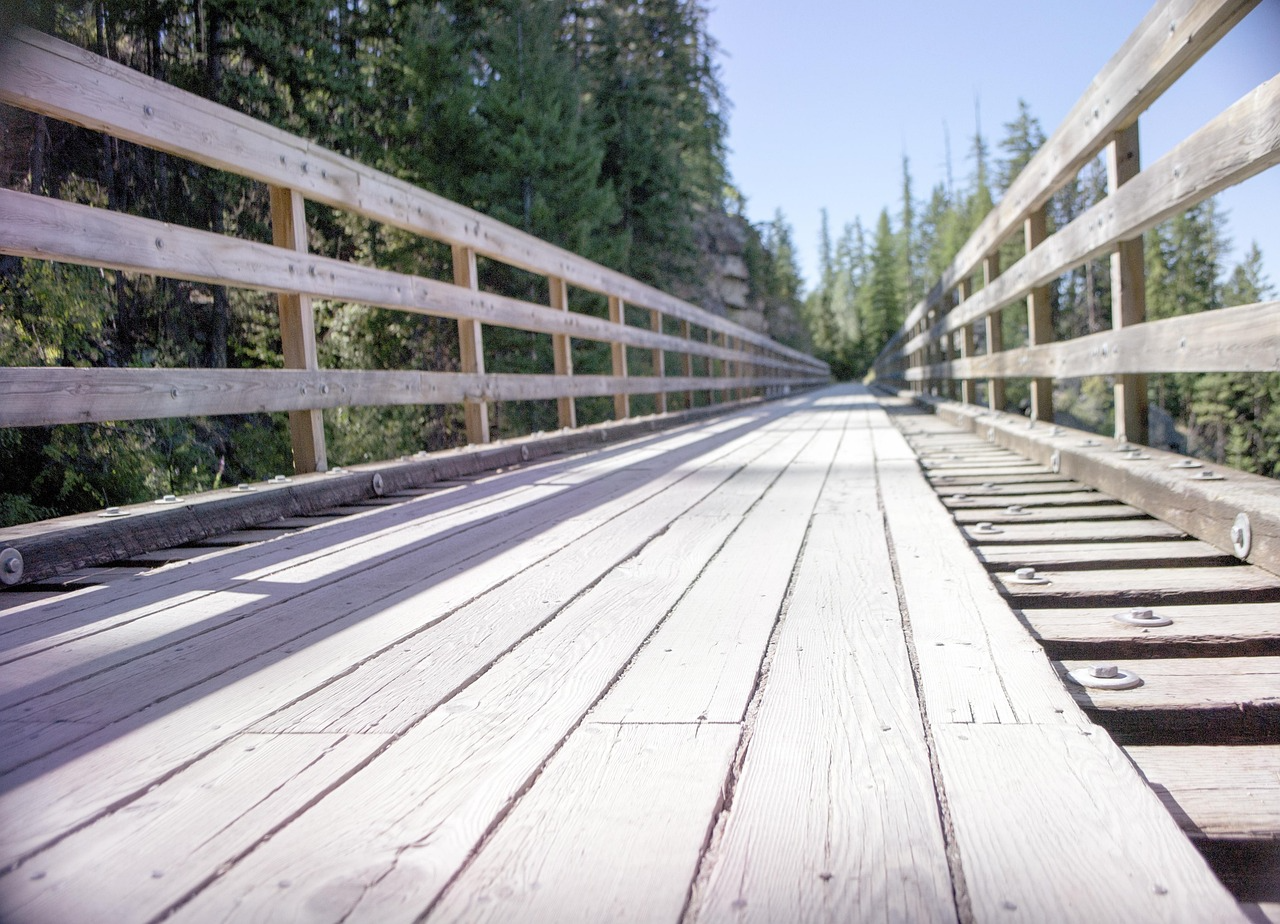
For experienced hikers looking for a demanding physical challenge and breathtaking alpine vistas, Evans Peak is a classic choice.
- Distance: 10 kilometres round trip
- Difficulty: Strenuous / Hard
- Estimated Time: 5 to 6 hours
- Elevation Gain: 975 metres
The trail to Evans Peak branches off from the West Canyon Trail and immediately begins an incredibly steep, unforgiving ascent up the mountain ridge. Hikers must scramble up steep dirt slopes, navigate tangled root systems, and use their hands for balance on rocky bluffs. Near the upper sections, short scrambles over exposed rock sections require a steady footing and a good head for heights.
The reward at the summit is nothing short of spectacular. The peak offers a dramatic, unobstructed view looking straight down into the deep blue waters of Alouette Lake, flanked by the towering walls of Blanshard Peak and the surrounding alpine wilderness. This hike should not be attempted in poor weather, heavy rain, or when snow cover is present without specialized winter mountaineering experience.
Golden Ears Summit Trail
This is the ultimate crowning jewel of the park’s trail network—a legendary, grueling route that takes hikers into the true alpine heart of the Golden Ears massif.
- Distance: 24 kilometres round trip
- Difficulty: Extreme
- Estimated Time: 10 to 12 hours (often completed as a two-day backpacking trip)
- Elevation Gain: 1,500 metres
The Golden Ears Summit Trail is a massive undertaking that begins at the West Canyon parking lot. The first few kilometres follow a steady incline through the forest before transitioning into a relentless climb up the mountain slopes. Hikers pass through Alder Flats, a popular backcountry camping area, before climbing steeply up a rugged ridge toward the ridge line.
The upper sections require crossing a permanent snowfield, navigating exposed rock ledges, and executing a challenging final scramble to the true summit. The navigation can become incredibly difficult if mountain fog or clouds roll in, obscuring trail markers.
Standing on the summit provides an unparalleled 360-degree view of the entire Lower Mainland, Vancouver Island on clear days, and endless rows of snow-capped peaks stretching north into the wilderness. This trail is strictly reserved for fit, experienced hikers who are thoroughly prepared for backcountry mountain travel.
East Canyon Trail
The East Canyon Trail provides a long, steady route through the valley, following an old logging road grade along the eastern side of Gold Creek.
- Distance: Up to 10 kilometres one way (depending on how far you explore)
- Difficulty: Moderate
- Estimated Time: 3 to 4 hours
- Elevation Gain: 250 metres
Because it follows a decommissioned historic road, the grade is wide and gradual, making it highly suitable for both longer day hikes and mountain biking. The trail passes through a mix of older forest and recovering vegetation, running parallel to Gold Creek. It serves as a vital connector route for various backcountry loops and provides excellent access to quieter, deep-wilderness gravel bars along the river where hikers can enjoy a secluded lunch away from the masses.
West Canyon Trail
Running parallel to the East Canyon route, the West Canyon Trail offers a more traditional, rugged hiking experience along the western slopes of the creek valley.
- Distance: 8 kilometres one way
- Difficulty: Moderate to Difficult
- Estimated Time: 4 to 5 hours
- Elevation Gain: 300 metres
Unlike the wide East Canyon road, the West Canyon Trail is a narrower, classic single-track hiking path. It is full of undulating terrain, rock fields, and exposed roots that require constant focus on foot placement. The trail features several impressive viewpoints looking over the deep canyon carved by Gold Creek and serves as the mandatory starting point for those aiming for Evans Peak, Alouette Mountain, or the Golden Ears Summit.
Alouette Lake Guide
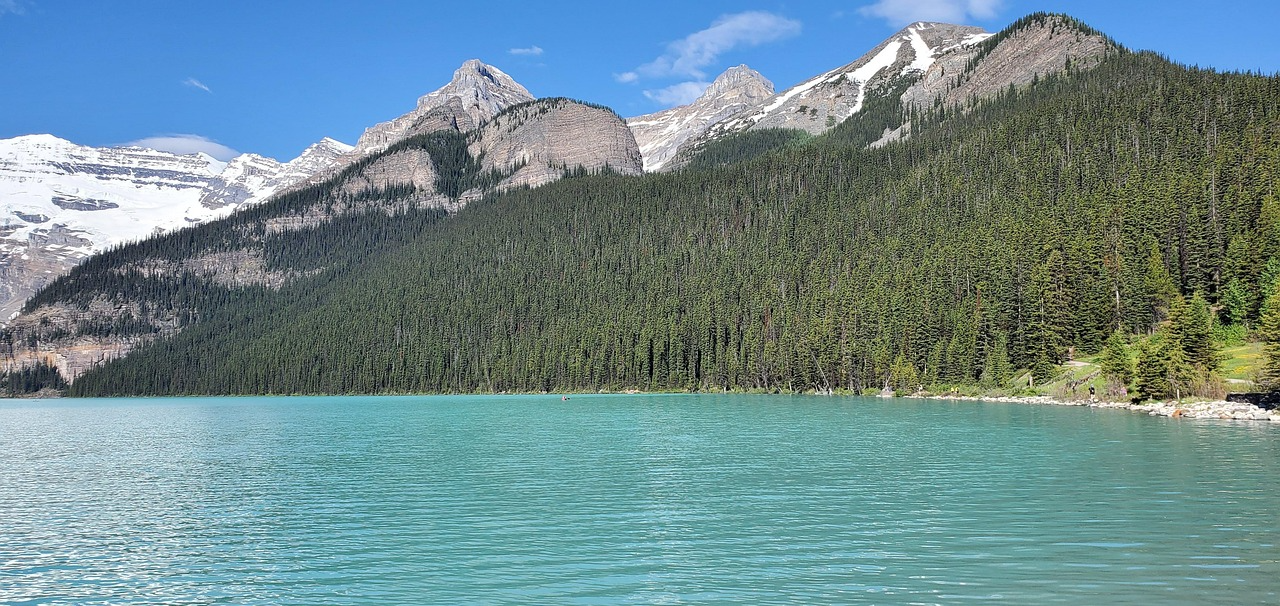
Alouette Lake is the primary recreational focal point of Golden Ears Provincial Park. This massive, fjord-like reservoir stretches for over 16 kilometres, filling a deep valley carved between towering mountain ridges. Its immense size, clear water, and spectacular mountain backdrop make it one of the most stunning lakes in southwestern British Columbia.
| Feature | Details & Description |
| Total Length | Approximately 16 kilometres stretching deep into the Coast Mountains. |
| Primary Activities | Swimming, canoeing, kayaking, paddleboarding, motorized boating, fishing, and lakeside picnicking. |
| Main Day-Use Hubs | South Beach (expansive sandy/gravel shore, grassy lawns, and rentals) and North Beach (rocky, rustic pebble shoreline). |
| Water Temperature | Consistently cool to cold, as it is fed directly by mountain stream inflows and melting alpine snowpacks. |
| Safety Hazards | Rapidly dropping underwater shelves close to shore and sudden, powerful thermal winds that kick up dangerous afternoon chop. |
The lake is a multi-use paradise, accommodating everything from casual sunbathers to motorized watercraft. The southern tip of the lake is heavily developed with world-class day-use parks, manicured lawns, and designated swimming zones. As you travel further north up the lake, all road access terminates, and the environment transforms into a remote, wild wilderness accessible only by boat or long-distance backcountry travel.
The popularity of Alouette Lake cannot be overstated. During hot summer days, the lake environment transforms into a bustling hub of activity, with hundreds of watercraft dotting the water and beachgoers filling the shorelines. It serves as the primary reason why many families choose to visit Golden Ears, providing a complete lake resort atmosphere entirely wrapped in a pristine provincial park setting.
Beaches and Swimming Areas
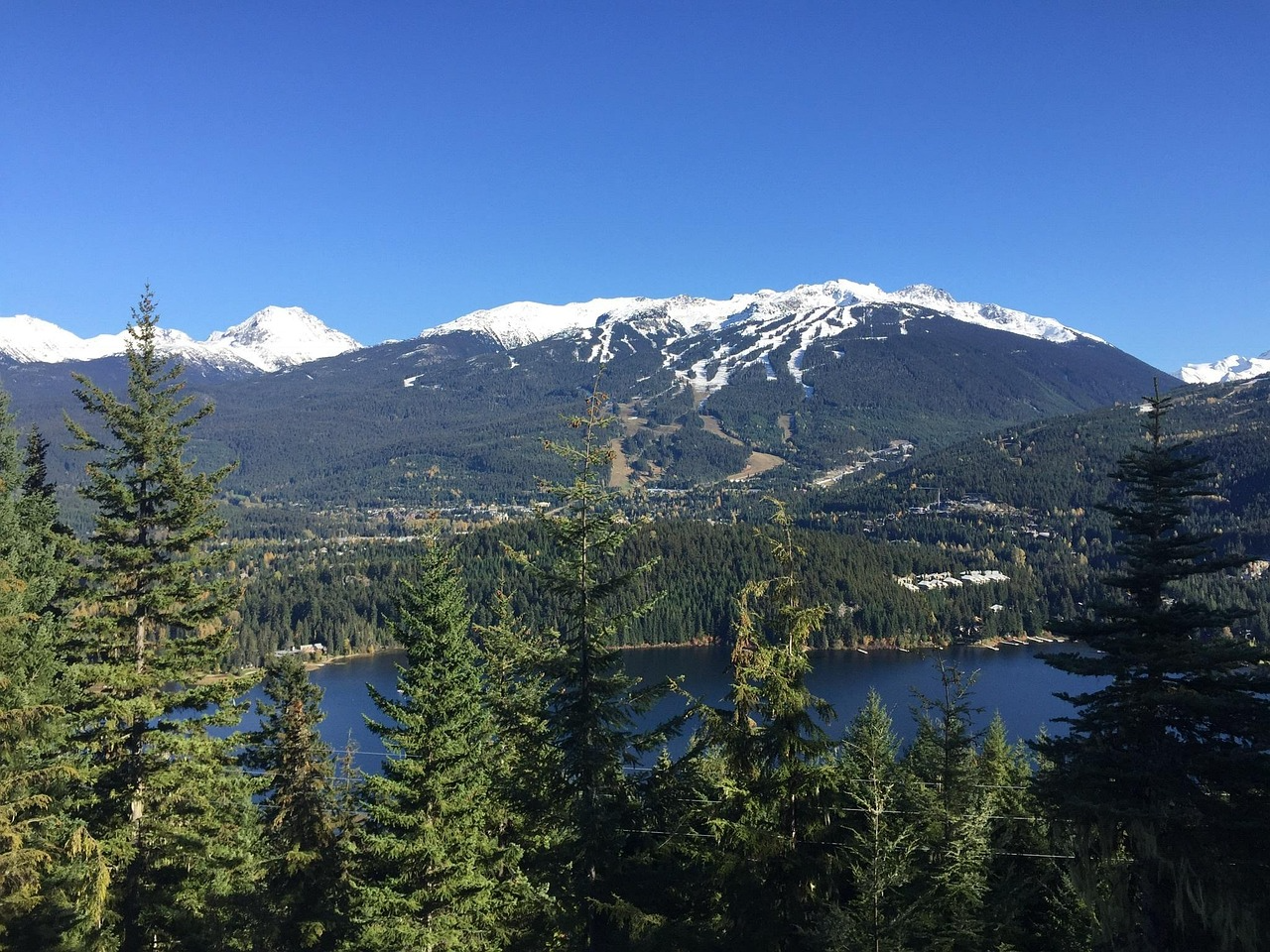
The primary swimming and sunbathing locations are centered around two major zones: South Beach and North Beach.
South Beach is the largest and most frequented beach area in the park. It features expansive, grassy lawns perfect for spreading out picnic blankets, playing field games, or relaxing under large shade trees. The shoreline itself is a mix of sand and fine gravel. The swimming area is clearly marked with buoys to keep motorized boats away from swimmers, providing a safe environment for young children. The water depth increases gradually, though parents must remain vigilant as mountain lakes can drop off into deep water unexpectedly.
North Beach offers a slightly more rugged, natural beach experience. Located further up the parkway near the Gold Creek campground, North Beach is reached via a short forest walk from its dedicated parking lot. The beach here is composed primarily of smooth river pebbles and gravel, offering stunning views looking directly up the long, dramatic axis of the lake. The water here tends to feel slightly cooler as it sits closer to the inflow of cold mountain creeks, but it remains a highly popular spot for a refreshing dip on hot summer afternoons.
What to Pack for a Beach Day
When planning a day at Alouette Lake, bringing the appropriate gear is essential for maximum comfort. Water shoes are highly recommended, as the pebbled and rocky nature of the shoreline can be tough on bare feet. Sun protection is critical; the open surface of the lake reflects intense sunlight, making high-SPF sunscreen, wide-brimmed hats, and pop-up sun shelters incredibly valuable, especially since shade space on the actual beaches fills up rapidly. Don’t forget a well-insulated cooler packed with plenty of fresh water and food, as there are no concession stands or grocery stores located inside the park boundaries.
Canoeing, Kayaking, and Paddleboarding
The expansive waters of Alouette Lake are perfectly suited for human-powered watercraft, making it a premiere destination for flat-water paddling.
Paddling Conditions and Wind Factors
On a calm morning, the surface of Alouette Lake can resemble a flawless mirror, reflecting the surrounding mountain peaks with stunning clarity. This early morning window is the absolute best time for paddleboarding, canoeing, and kayaking, allowing paddlers to glide effortlessly across the water in serene peace.
However, paddlers must exercise extreme caution as the afternoon approaches. Due to its location within a deep mountain valley, Alouette Lake is prone to strong, sudden thermal winds that blow from south to north during warm afternoons. These winds can generate significant chop and strong currents, making paddling back to the southern launch points incredibly exhausting and potentially dangerous for beginners. Always monitor weather forecasts and stay close to the shoreline if winds begin to rise.
Boat Launches and Logistics
A concrete boat launch facility is located at the southern end of Alouette Lake, providing ample space for launching motorized boats, sailing vessels, and larger canoes. For hand-launching kayaks and paddleboards, visitors can easily carry their equipment directly from the South Beach or North Beach parking lots to the water’s edge.
It is important to ensure you have all mandatory marine safety gear, including properly fitted personal flotation devices (PFDs) for every individual on board, a signaling whistle, and a bailer. If you intend to explore further up the lake, ensure you give yourself plenty of daylight hours, as the massive scale of the lake means distances can be highly deceiving.
Fishing in Golden Ears Provincial Park
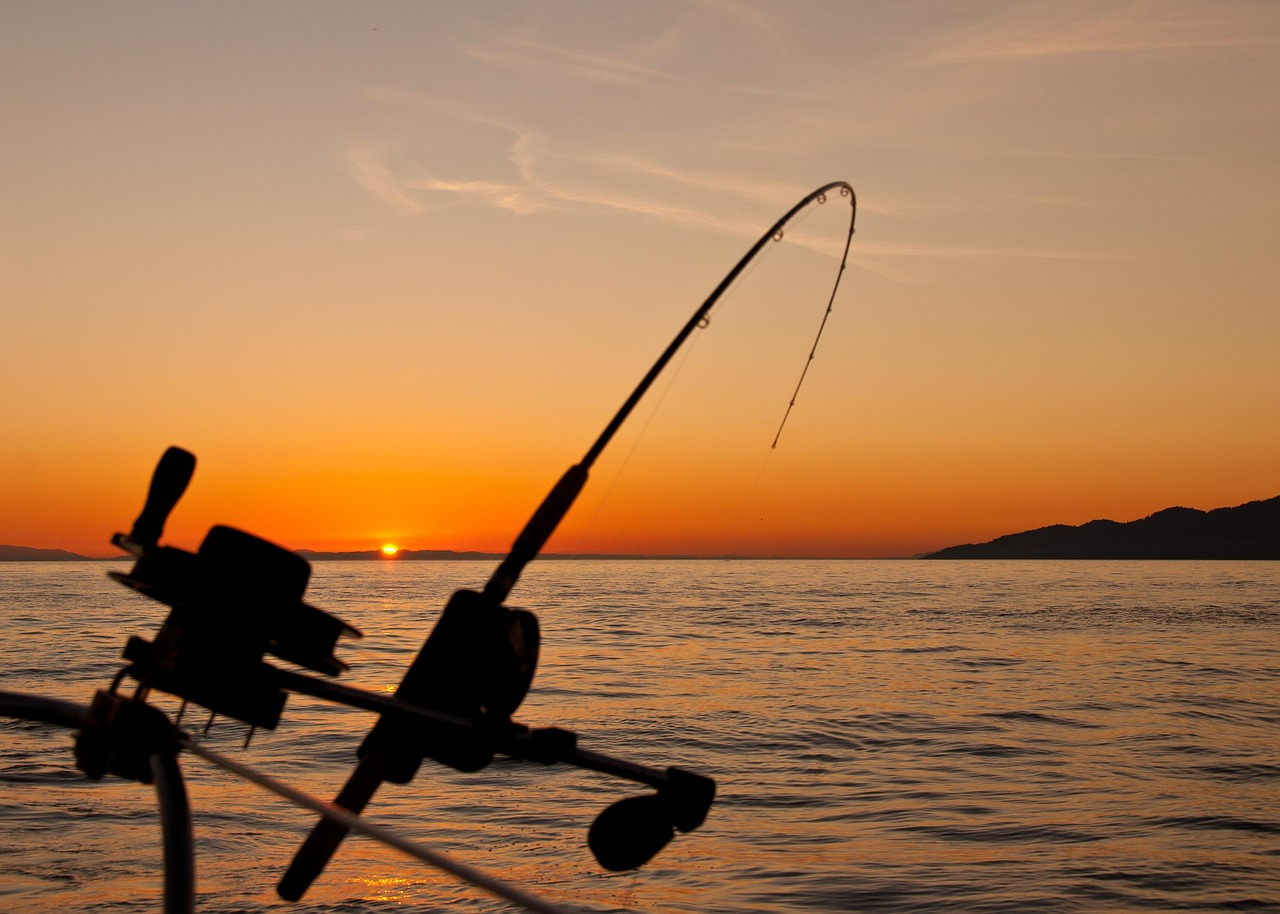
Fishing within the park provides a wonderful opportunity to experience the quiet tranquility of the park’s aquatic ecosystems. Alouette Lake and the cold, fast-flowing waters of Gold Creek host resident populations of coastal cutthroat trout, rainbow trout, and kokanee (a landlocked sockeye salmon).
Shore fishing is popular around the rocky points of Alouette Lake and near the mouths of entering streams where fish tend to feed on drifting insects. For the best fishing experience, utilizing a motorized boat or kayak allows anglers to access the deeper, colder sections of the lake where larger fish reside, particularly during the heat of mid-summer. Trolling with small lures or fly-fishing near drop-off zones are highly effective methods.
All anglers fishing within Golden Ears Provincial Park must possess a valid British Columbia Freshwater Fishing License. It is your responsibility to thoroughly review and adhere to current provincial freshwater fishing regulations, which outline strict catch limits, bait bans, and seasonal closures designed to protect vulnerable fish populations and maintain a sustainable fishery within the park.
Camping at Golden Ears Provincial Park
Camping at Golden Ears Provincial Park is a classic British Columbia experience, offering an incredible opportunity to sleep beneath a canopy of giant trees and wake up surrounded by pristine wilderness. The park features some of the largest frontcountry campgrounds in the province, making it a major hub for family vacations, RV travelers, and wilderness backpackers.
Reservation Challenges and Atmosphere
Because of its spectacular setting and proximity to Vancouver, securing a frontcountry campsite during the peak summer season requires planning well in advance. Sites are released through the BC Parks reservation service on a rolling schedule months ahead of time, and popular weekends sell out within minutes of becoming available.
The atmosphere in the campgrounds is lively and community-oriented, filled with the smell of campfires and the sounds of children riding bicycles down the campground loops. Despite the high volume of campers, the sites are generally well-spaced and separated by thick stands of natural rainforest vegetation, providing a reasonable amount of privacy and a genuine deep-woods camping experience.
Camping Options for All Styles
The park accommodates a wide spectrum of camping preferences. Large, level gravel pads are available for recreational vehicles (RVs) and camper vans, though it is important to note that there are no electrical, water, or sewer hookups available at individual sites. Tent campers will find beautifully cleared sites with heavy-duty picnic tables and fire rings. Group sites are also available for larger organized gatherings, while rugged backcountry tent pads await those willing to hike their gear deep into the mountain valleys.
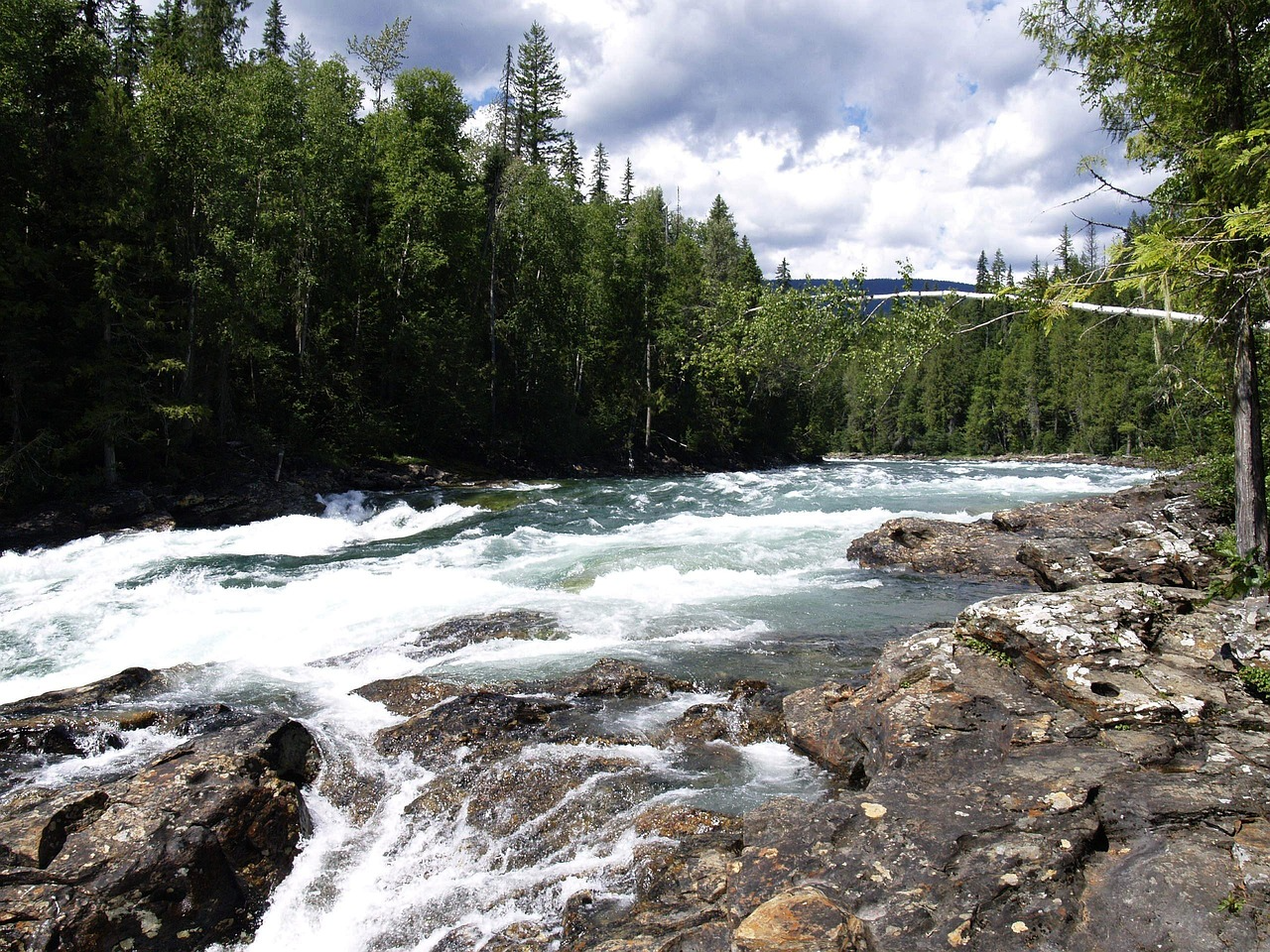
Main Campgrounds in Golden Ears Provincial Park
Gold Creek Campground
Gold Creek Campground is a highly popular, well-rounded campground that operates on a year-round basis, providing a fantastic basecamp for dedicated hikers.
- Atmosphere: Deeply forested, peaceful, and heavily centered around trail access.
- Amenities: Flush toilets, hot shower buildings, pit toilets, water taps, and a sani-dump station for RVs.
- Pros: Immediate access to the Gold Creek Falls trailhead; operates year-round; excellent forest privacy between sites.
- Cons: Located slightly further away from the main Alouette Lake swimming beaches.
- Best For: Avid hikers, families wanting a quieter forest setting, and winter campers.
Alouette Campground
Alouette Campground is the largest camping area in the park, designed primarily for beach-loving families and summer vacationers.
- Atmosphere: Bustling, energetic, and heavily family-oriented.
- Amenities: Extensive flush toilet blocks, hot showers, drinking water stations, and easy walking trails to the water.
- Pros: Excellent, direct walking access to the South Beach day-use area and swimming zones; great playground facilities for children.
- Cons: Can become quite loud and busy during peak summer weekends; sites fill up the fastest.
- Best For: Families with children, swimmers, and frontcountry tent or RV campers.
North Beach Campground
North Beach Campground offers a slightly more rustic and natural camping experience located further north along the parkway.
- Atmosphere: Natural, quiet, and intimately connected to the lake wilderness.
- Amenities: Pit toilets and drinking water taps; lacks the large centralized shower buildings found in the other two loops.
- Pros: Beautiful, quick access to the pebbles of North Beach; generally quieter and less hectic than Alouette Campground.
- Cons: Fewer modern amenities; requires a slightly longer drive down the parkway; gravel sections can be dusty.
- Best For: Campers seeking a more traditional, less modernized camping experience close to the water.
Backcountry Camping in Golden Ears Provincial Park
Backcountry camping in the park provides a true wilderness experience that contrasts sharply with the managed comfort of frontcountry campgrounds. This option is strictly designed for self-sufficient backpackers who possess the gear, physical fitness, and knowledge required to survive in an unmanaged mountain environment.
The primary designated backcountry camping areas are located at Alder Flats along the West Canyon Trail, and at the ridge-line campsite located high up on the Golden Ears Summit Trail. These sites feature primitive tent pads and rustic pit toilets, but offer no drinking water systems or garbage facilities. Campers must collect water from pristine alpine creeks and treat, filter, or boil it before consumption.
Safety in the backcountry is paramount. All wilderness campers must practice strict Leave No Trace principles, ensuring that absolutely all garbage and waste is packed out of the park. Food must be stored securely in bear-resistant containers or hung from designated bear caches to prevent attracting wildlife. Weather conditions in the high alpine can plummet below freezing even in July, requiring proper cold-weather clothing, reliable navigation tools, and an emergency signaling device.
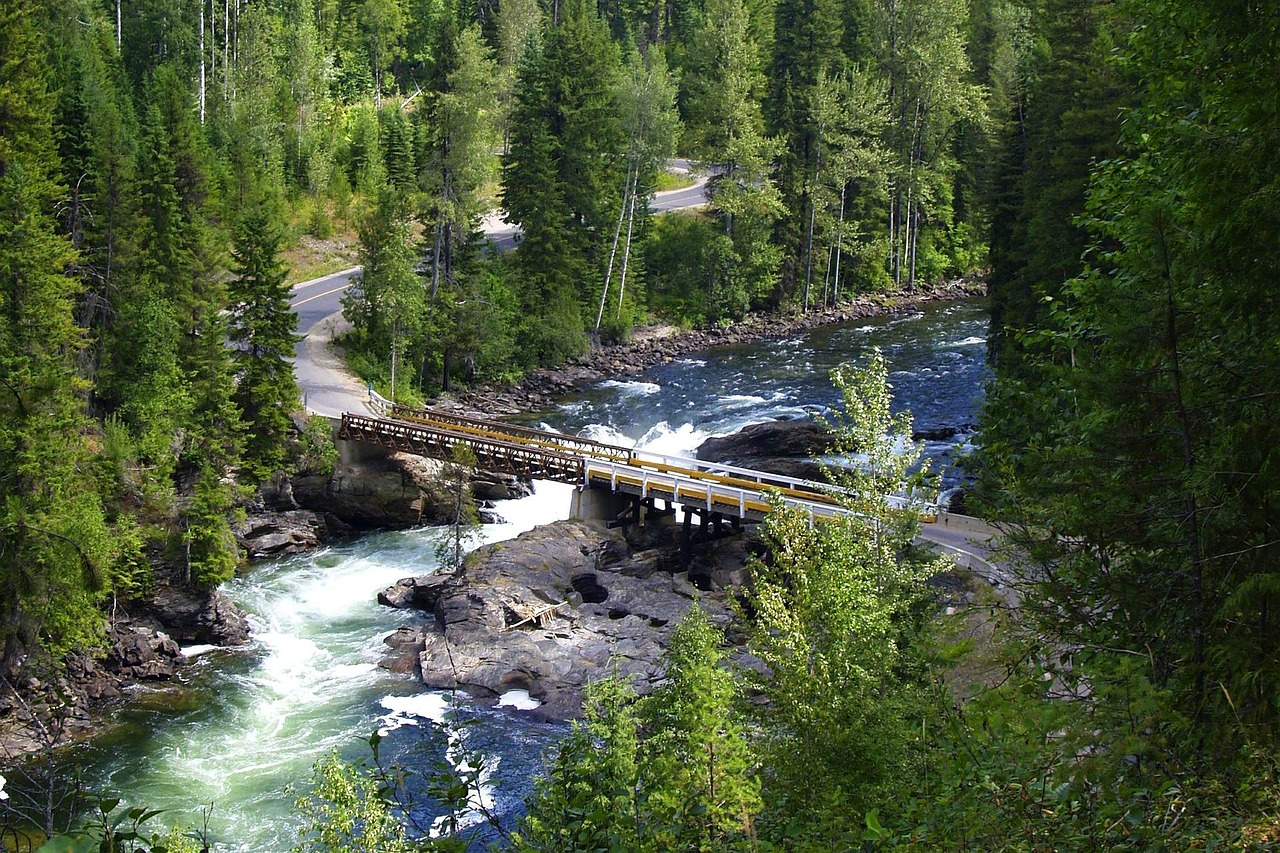
Facilities and Amenities
Golden Ears Provincial Park is exceptionally well-equipped to handle high volumes of daily visitors while maintaining its natural wilderness charm.
- Washrooms: Well-maintained flush toilet buildings and hot shower facilities are located within the Alouette and Gold Creek campgrounds. The major day-use beach areas feature large flush-toilet blocks and changing rooms, while remote trailheads are serviced by rustic, concrete pit toilets.
- Picnic Areas: The South Beach day-use area features hundreds of picnic tables distributed across wide lawns, alongside communal picnic shelters that offer protection from sun or unexpected rain showers.
- Drinking Water: Potable water taps are widely distributed throughout all frontcountry campgrounds and main day-use beach hubs. Water from these taps is regularly tested and completely safe for drinking.
- Garbage and Recycling: Centralized, bear-proof garbage dumpsters and recycling collection stations are situated at all major parking lots and campground exits. Visitors must utilize these bins strictly to prevent attracting wildlife into high-use areas.
- Boat Launch: A dual-lane, concrete boat launch ramp is located at the southern tip of Alouette Lake, accompanied by a large parking area designed specifically to accommodate vehicles with boat trailers.
- Cell Service: Cell phone coverage is highly unreliable within the park. While you may get a faint signal near the main entrance or out on the open water of Alouette Lake, service drops completely to zero along almost all hiking trails and campgrounds. Do not rely on cell phones for navigation or emergency communication.
- Accessibility: Accessible parking stalls and level, hard-surfaced pathways are integrated into the South Beach day-use area, providing individuals with mobility limitations a clear route to picnic spaces and viewpoint areas overlooking the lake.
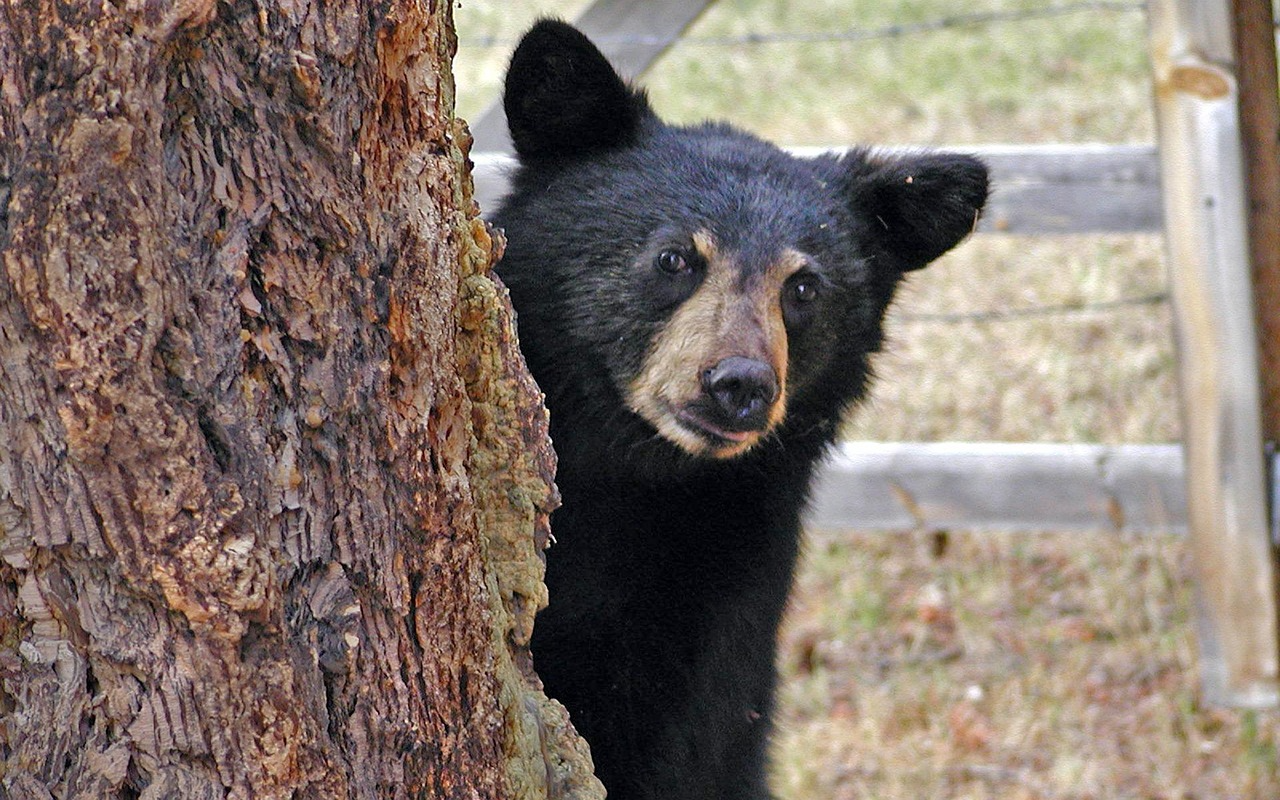
Wildlife in Golden Ears Provincial Park
The vast, undisturbed ecosystems of Golden Ears support a rich variety of wildlife species. Understanding how to coexist respectfully with these animals is a fundamental part of visiting the park.
The park is home to a healthy population of coastal black bears. These animals roam throughout the valley forests and subalpine meadows searching for natural food sources like berries, insects, and vegetation. While black bears are generally elusive and avoid human contact, they can become habituated and dangerous if they gain access to human food, garbage, or scented items left unattended at campsites or picnic tables.
Other common mammal species include black-tailed deer, which can frequently be seen browsing calmly along the edges of the parkway or campgrounds. The forests support smaller mammals such as raccoons, squirrels, chipmunks, and the elusive coastal marten. High above the forest canopy, bald eagles, osprey, raven, and various species of owls hunt and nest, while Alouette Lake supports thriving aquatic life including waterfowl and fish populations.
Wildlife Safety Protocol
| Protocol Action | Practical Application |
| Food Storage | Keep all food, garbage, and scented items locked securely inside hard-sided vehicles or designated bear-proof caches. Never leave food unattended for even a single minute. |
| Hiking Awareness | Make consistent noise by clapping, calling out, or talking loudly to avoid accidentally surprising a bear or other wildlife on narrow, winding forested trails. |
| Wildlife Encounters | Maintain a safe distance at all times. If you meet an animal, do not run. Back away slowly and calmly while keeping your eyes on the animal to show you are not a threat. |
| Dog Management | Keep all pets securely attached to a physical leash at all times. Free-roaming dogs can easily provoke defensive or aggressive reactions from local wildlife. |
Bear Safety and Etiquette
When visiting Golden Ears, keeping a completely clean site is a mandatory rule. Never leave food, coolers, dirty dishes, or garbage unattended for even a brief moment. When hiking, always make noise by talking loudly, clapping, or singing to avoid surprising a bear around a blind corner.
Carrying bear spray in an easily accessible holster—and knowing exactly how to use it—is highly recommended for all hikers. If you encounter a bear, remain calm, stand your ground, make yourself look large, speak in a firm voice, and slowly back away. Never turn your back and run, as this can trigger the animal’s natural predatory chase instinct.
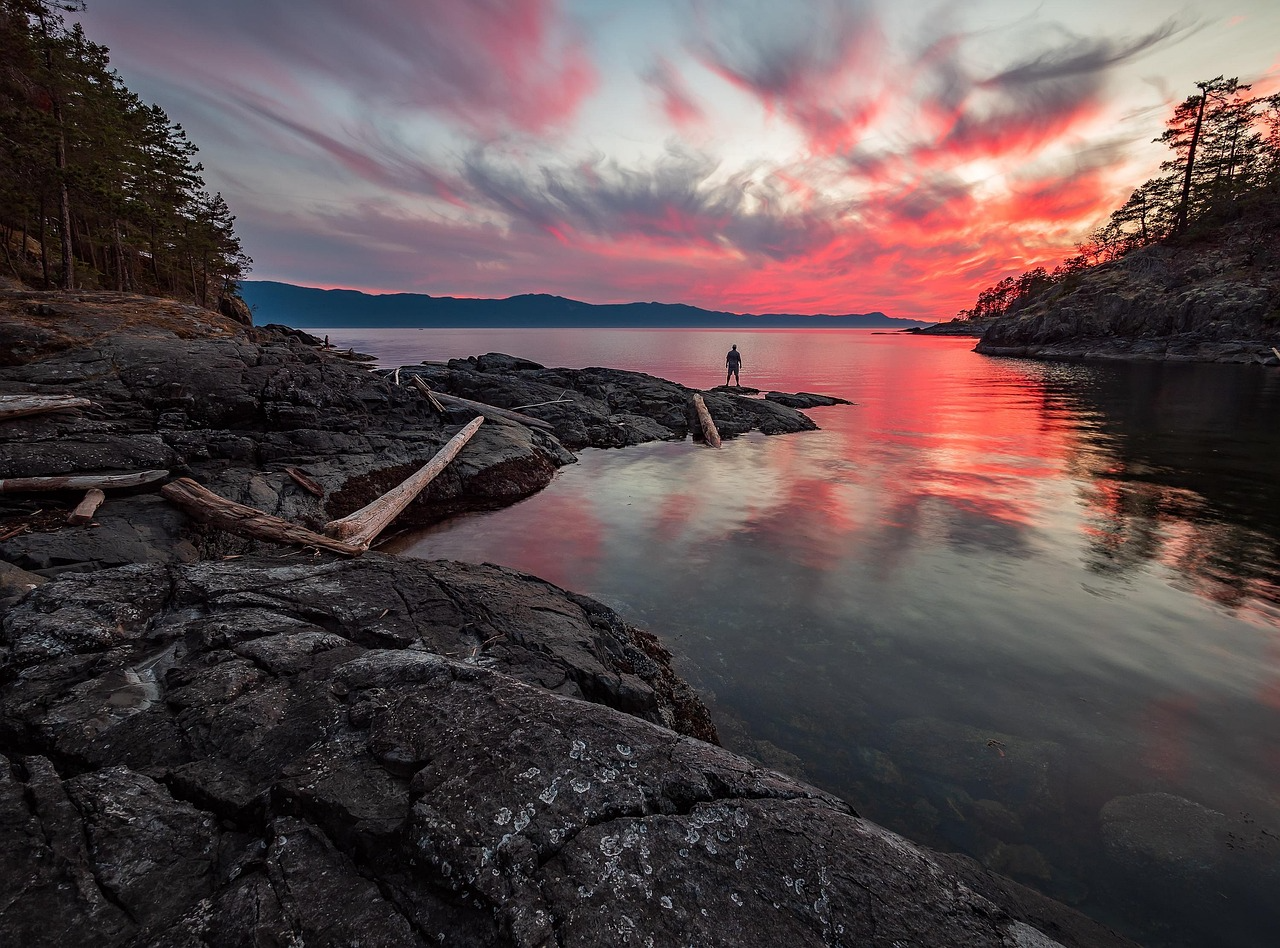
Photography Guide to Golden Ears Provincial Park
The sheer geographic diversity of Golden Ears makes it an absolute paradise for landscape, nature, and adventure photographers. Capturing the essence of the park requires understanding its unique lighting and weather conditions.
Top Photography Locations
- Alouette Lake at Sunrise: Arriving at South Beach at first light offers spectacular conditions. The morning air is often perfectly still, creating sharp mirror reflections of the mountains on the lake surface, with soft pink and gold light illuminating the peaks.
- Gold Creek Falls: The viewing platform offers a dramatic composition framing the powerful waterfall. Utilizing a neutral density (ND) filter allows for long-exposure shots that smooth out the rushing water, creating a beautiful silky effect against the dark, mossy canyon rocks.
- The Mossy Rainforest Loops: The short trails around Gold Creek and the parkway feature massive trees draped in thick, glowing green moss. Overcast or slightly rainy days provide the absolute best lighting for these forest scenes, as the cloud cover eliminates harsh shadows and saturates the deep greens and rich earthy browns.
- Alpine Ridges (Evans Peak / Summit): For those willing to carry heavy camera gear up the steep mountain trails, the jagged ridges offer epic scale. The dramatic drop-offs looking down onto Alouette Lake provide an incredible sense of vast, untamed wilderness.
Tips for Weather and Wildlife Photography
Embrace the classic moody weather of the Pacific Northwest. Mist, fog, and low-hanging clouds wrapping around the mountain peaks or filtering through the tall trees add an incredible layer of mystery and atmosphere to your images.
If you are attempting to photograph wildlife like deer or eagles, always utilize a high-quality telephoto lens (at least 200mm or greater) to capture close-up details without invading the animal’s space or altering its natural behavior.
Family-Friendly Activities
Golden Ears Provincial Park is a spectacular destination for families, offering an array of activities that are safe, engaging, and highly manageable for children of all ages.
The South Beach day-use area is the perfect home base for a family day out. The vast, soft grassy lawns provide plenty of space for children to play safely, while the wide, shallow gravel shoreline allows for sandcastle building, stone skipping, and wading in the designated swimming zone. Covered picnic structures provide a great place to set up a family lunch basecamp out of the direct sun.
For hiking with younger children, the Gold Creek Falls Trail is an exceptional option. Its wide, relatively flat gravel surface easily accommodates family walking groups, and the lack of steep drop-offs ensures a stress-free hiking experience for parents. The constant sights and sounds of the river keep children engaged throughout the walk, culminating in the exciting spectacle of the waterfall itself.
The short Mike Lake loop is another great kid-friendly walk, offering an educational look at a delicate wetland environment filled with lily pads, frogs, and interesting bird species.
Dog-Friendly Information
Golden Ears Provincial Park is highly welcoming to canine companions, provided owners adhere to strict park rules designed to protect the natural environment and ensure the safety of all visitors.
Leash Regulations and Trail Suitability
Dogs must remain securely on a physical leash at all times across all campgrounds, parking lots, and primary trail networks. Allowing dogs to roam off-leash is a serious violation that can disturb nesting birds, damage delicate vegetation, and lead to dangerous altercations with wild animals like black bears or coyotes.
Most low-elevation trails, including the Gold Creek Falls and East Canyon routes, are perfectly suited for active dogs. However, owners should think twice before bringing dogs up steep, technical mountain routes like Evans Peak or the Golden Ears Summit, where sharp granite rock, vertical ladders, and exposed scrambles can easily injure a dog’s paws or cause dangerous slips.
Water Access and Dog-Friendly Zones
To balance the needs of swimmers and pet owners, dogs are strictly prohibited from entering the main public swimming areas at the South Beach and North Beach day-use lawns. However, the park has established a dedicated, designated off-leash dog beach area located just a short walk away from the main South Beach parking lot.
This specific zone allows dogs to swim freely in Alouette Lake and socialize with other pets. Always ensure you carry plenty of fresh drinking water for your dog, keep them cool during the heat of summer, and immediately pick up and properly dispose of all pet waste in the park’s bear-proof garbage dumpsters.
Safety Tips for Visiting Golden Ears Provincial Park
A successful trip to Golden Ears relies heavily on prioritizing personal safety and understanding the inherent risks of entering a vast mountain wilderness.
- Check the Weather Frequently: Mountain weather is highly dynamic. Always check specialized alpine weather forecasts before leaving, and remember that conditions on a high summit can be radically different from the warm sunshine down at the lake.
- Practice Strict Water Safety: Alouette Lake is fed by cold alpine snowmelt. Even during hot summer days, the water temperature remains quite cool. Sudden immersion can cause cold shock, making life jackets mandatory for all paddling activities. Stay within designated swimming zones and never swim alone.
- Prepare for Limited Cell Service: Do not rely on your smartphone for emergency calls or live mapping. Download offline maps before entering the park, or carry a dedicated physical map and compass along with a satellite communication device if heading into the backcountry.
- Secure Your Vehicle: Parking lots within the park can occasionally be targeted by thieves looking for easy valuables left inside parked cars. Lock all doors, roll up windows completely, and ensure absolutely all bags, electronics, and gear are stored securely out of sight in your trunk.
- Be Mindful of Wildlife Risks: Always give large animals like black bears and deer plenty of space. Never approach, feed, or corner an animal. Carry bear spray in an accessible location and know how to deploy it safely.
- Watch for Hidden Hazards in Shoulder Seasons: During spring and autumn, low-elevation trails can become dangerously icy or slick from heavy rain. High-elevation routes present extreme avalanche risks and treacherous snow cornices that can collapse under a hiker’s weight.
What to Pack for Golden Ears Provincial Park
Packing the correct gear tailored to your specific activity ensures comfort, enjoyment, and safety throughout your visit.
Day Trip Packing List
- Plenty of fresh drinking water (at least 1–2 litres per person)
- High-energy snacks (trail mix, energy bars, fruit)
- Extra clothing layers (a lightweight fleece and a waterproof rain jacket)
- Sturdy, comfortable walking shoes or sneakers with good grip
- Sun protection (sunscreen, sunglasses, wide-brimmed hat)
- Insect repellent to ward off seasonal mosquitoes and flies
- A downloaded offline map of the park and trail system
Beach Day Packing List
- Large beach towels and comfortable swimwear
- Protective water shoes for navigating pebbled shorelines
- High-SPF, water-resistant sunscreen
- Folding camp chairs or a large, durable picnic blanket
- A well-insulated cooler packed with ice, fresh water, and meals
- A waterproof dry bag to secure phones, car keys, and electronics while near the water
- A pop-up sun canopy or umbrella for creating reliable shade
Camping Packing List
- A reliable, waterproof tent equipped with a ground footprint
- Insulated sleeping pads and sleeping bags rated for cool night temperatures
- A portable camp stove, fuel canister, and complete cooking utensil kit
- Secure, hard-sided storage containers or bags for locking food inside your vehicle
- Reliable flashlights, headlamps, and a camp lantern with extra batteries
- High-quality rain gear and extra dry clothing layers
- Folding camp chairs for sitting comfortably around the fire ring
- A fully stocked first aid kit and personal hygiene supplies
Hiking Packing List
- Dedicated, broken-in hiking boots or trail running shoes with deep tread
- A reliable navigation setup (physical topo map, compass, and satellite GPS device)
- Significantly more food and water than you anticipate needing
- Crucial emergency layers (an insulated jacket, gloves, and a space blanket)
- Lightweight trekking poles to assist with balance on steep, root-choked slopes
- A reliable, bright headlamp in case your hike takes longer than expected
- Comprehensive first aid supplies including blister treatments and elastic bandages
- Bear spray stored securely in an easily accessible hip or chest holster
Accessibility at Golden Ears Provincial Park
BC Parks has made conscious efforts to ensure that individuals with limited mobility or those traveling with strollers can experience the natural beauty of Golden Ears.
The primary hub for accessible outdoor recreation is centered around the South Beach day-use area. Here, you will find designated accessible parking spaces located close to the park features. Level, hard-surfaced asphalt and gravel pathways weave smoothly through the manicured grassy picnic lawns, allowing wheelchair users and families pushing strollers easy access to picnic tables, shade structures, and accessible washroom facilities.
Several viewpoints looking directly out over Alouette Lake are positioned along these flat pathways, providing beautiful photo opportunities without requiring travel across rugged terrain.
However, visitors must note that the natural shorelines of Alouette Lake are a mix of loose sand, gravel, and uneven river stone, which present significant physical barriers for standard wheelchairs or mobility aids looking to access the water’s edge.
Furthermore, the vast majority of the park’s hiking trails beyond the short day-use loops are traditional wilderness paths filled with steep elevation shifts, rock steps, and exposed root networks that are completely unsuitable for wheeled access. Visitors with mobility concerns should focus their trips around the scenic South Beach day-use lawns and the flat, initial segments of the lakeside walking paths.
Nearby Attractions
If you are looking to extend your journey or combine your visit to Golden Ears with other regional highlights, the surrounding area offers an array of compelling stops.
- Maple Ridge: The vibrant downtown core of Maple Ridge sits just minutes south of the park gate. It is the perfect place to stop before your trip to purchase groceries, camping supplies, or fuel. After a long day of hiking, it offers an array of local craft breweries, cozy cafes, and excellent restaurants to refuel.
- Pitt Lake: Located just a short drive to the west, Pitt Lake is one of the largest tidal lakes in the world. It features the beautiful Pitt Addington Marsh walking trails, spectacular birdwatching viewpoints, and a dedicated canoe launch for exploring the dramatic Widgeon Creek canyon.
- Kanaka Creek Regional Park: Situated nearby in Maple Ridge, this beautiful park features the impressive Cliff Falls, a historic fish hatchery, and scenic, easy walking trails winding along a beautiful, sandstone-bedded river canyon.
- Rolley Lake Provincial Park: Located just east of Golden Ears, Rolley Lake offers a much smaller, warmer, and calmer lake environment. It features a flat walking trail circling the entire lake, peaceful canoeing waters, and a quiet, family-friendly frontcountry campground that serves as an excellent alternative if Golden Ears is fully booked.
- Fort Langley: Situated just across the Fraser River via the Golden Ears Bridge, this historic village is the birthplace of British Columbia. Visitors can explore the historic hudson’s bay company fort, wander through boutique shops, and enjoy fine dining in a charming, heritage-focused riverside setting.
Suggested Itineraries
Half-Day Itinerary: The Highlights Quick-Trip
- 8:00 AM: Arrive early at the park gates to secure hassle-free parking at the Gold Creek lot.
- 8:15 AM – 10:15 AM: Complete the easy, beautiful hike along the Lower Falls Trail to Gold Creek Falls. Enjoy the crisp morning air and photograph the roaring waterfall.
- 10:30 AM – 11:30 AM: Drive down to the South Beach day-use area. Take a casual stroll along the lakeside walking path, take in the panoramic mountain views across Alouette Lake, and capture some stunning landscape photographs.
- 11:30 AM: Depart the park before the peak afternoon traffic arrives, stopping in Maple Ridge for a well-deserved lunch.
Full-Day Itinerary: The Ultimate Lake & Forest Experience
- 7:30 AM: Arrive early at the park to beat the crowds and park at the Gold Creek lot.
- 7:45 AM – 10:30 AM: Hike the Gold Creek Falls Trail at a relaxed pace, taking time to explore the beautiful forest side-trails and river gravel bars.
- 10:45 AM: Move your vehicle down to the South Beach day-use parking lot to secure a prime spot.
- 11:00 AM – 1:00 PM: Set up a comfortable picnic basecamp on the grassy lawns. Enjoy a large lunch, relax under the shade trees, and take in the spectacular scenery.
- 1:00 PM – 4:00 PM: Head down to the shoreline. Spend the warm afternoon swimming in the clear waters of Alouette Lake or launching a paddleboard or kayak to explore the scenic shoreline contours.
- 4:00 PM – 5:00 PM: Pack up your gear, clean your picnic space thoroughly, and enjoy a slow, scenic drive out of the park along the Golden Ears Parkway.
Weekend Camping Itinerary: The Wilderness Immersion
- Friday 2:00 PM: Arrive at the park during campground check-in hours. Set up your tent or RV camp at the Alouette or Gold Creek campground, ensuring all food is locked securely away from wildlife.
- Friday 4:00 PM – 7:00 PM: Walk directly from your campsite down to North Beach or South Beach for a relaxing late-afternoon swim and a beautiful lakeside sunset walk. Cook a hearty camp dinner over your stove.
- Saturday 8:00 AM – 2:00 PM: Fuel up with a big breakfast. Head out for a more ambitious hike along the West Canyon or East Canyon trails, exploring deep into the rugged river valley.
- Saturday 3:00 PM – 6:00 PM: Head back to the lake for a deeply relaxing afternoon of sunbathing, paddleboarding, and unwinding after your long hike.
- Saturday 7:00 PM: Enjoy a classic campfire dinner (if permits allow) and spend a peaceful night sleeping beneath the giant forest canopy.
- Sunday 9:00 AM – 11:00 AM: Enjoy a slow morning with camp coffee. Take a peaceful walk around the quiet Mike Lake wetlands loop trail for some morning birdwatching.
- 11:00 AM: Pack up your campsite completely, double-check that absolutely no litter is left behind, and check out of the campground.
Hiking-Focused Itinerary: The Alpine Challenge
- 6:30 AM: Arrive at the West Canyon parking lot at first light, ensuring you have your packed safety gear, proper footwear, and ample water.
- 7:00 AM – 1:00 PM: Embark on the grueling, steep ascent up the Evans Peak Trail. Focus on steady pacing up the root-choked inclines and take your time navigating the exposed upper rock bluffs.
- 1:00 PM – 1:30 PM: Spend a magnificent half-hour on the summit of Evans Peak, enjoying a packed lunch while marveling at the incredible bird’s-eye view looking straight down onto Alouette Lake.
- 1:30 PM – 5:00 PM: Carefully execute the steep, knee-jarring descent back down the mountain ridge, utilizing trekking poles for stability.
- 5:15 PM: Return to your vehicle, stretch thoroughly, and head home after a world-class mountain workout.
Family-Friendly Itinerary: Low-Stress Fun with Kids
- 8:30 AM: Arrive at the park and park easily at the South Beach day-use area.
- 9:00 AM – 10:30 AM: Take the kids on a fun, easy nature walk along the flat lakeside trails, looking for birds, interesting mushrooms, and beautiful river stones.
- 10:45 AM – 12:30 PM: Claim a great picnic table on the South Beach lawns near the playground structure. Set up a comfortable basecamp and enjoy an outdoor family lunch.
- 12:30 PM – 3:00 PM: Move to the sandy and pebbled shoreline. Supervise the children as they splash in the shallow, buoy-protected swimming zone and hunt for interesting rocks.
- 3:15 PM: Load up the vehicle and stop by the quiet Mike Lake loop on your way out for a quick, 45-minute turtle and frog spotting walk before the drive home.
Tips for Avoiding Crowds
Golden Ears Provincial Park’s incredible popularity means that experiencing it without thousands of fellow visitors requires strategic planning.
To enjoy the park at its quietest, plan your visit during the week. Monday through Thursday see a fraction of the visitor volume experienced on weekends, allowing you to hike popular trails like Gold Creek Falls in peaceful serenity and easily find prime parking spaces at the beaches.
If you must visit on a summer weekend, adopting an early-bird mindset is non-negotiable. Aim to arrive at the main park gates by 7:30 AM or 8:00 AM at the absolute latest. Not only will you secure a parking spot, but you will also experience the finest lighting and coolest hiking temperatures of the day.
Another effective strategy is to plan your trips during the shoulder seasons. The months of May, September, and October offer spectacular trail conditions, gorgeous fall foliage, or booming spring waterfalls with only a small percentage of the summer crowd volume.
Finally, steer clear of the most heavily promoted hotspots. While everyone else crowds onto the South Beach lawn or the Gold Creek Falls trail, you can find profound wilderness isolation by exploring the deep paths of the East Canyon Trail or taking a quiet walk around Mike Lake.
Common Mistakes to Avoid
- Arriving Too Late in the Day: Showing up at 11:00 AM on a sunny Saturday in July is a recipe for disappointment. You will likely face massive traffic backups and find that the park has closed its gates due to full parking lots.
- Underestimating Mountain Trail Difficulties: Assuming that because a trail is close to Vancouver it must be easy is a dangerous error. Routes like Evans Peak and the Golden Ears Summit are highly technical, steep, and physically punishing wilderness undertakings.
- Failing to Pack Adequate Water: Don’t assume you can drink from any stream without treatment, or that there are stores to buy drinks inside the park. Bring all the water you need for your entire party, especially on hot summer days.
- Ignoring Rapid Weather Transitions: Heading out onto an alpine ridge wearing only shorts and a t-shirt because it is sunny at the lake is a frequent mistake. Temperatures drop quickly with elevation, and sudden storms can introduce hypothermia risks.
- Leaving Food Exposed to Wildlife: Leaving a cooler on a picnic table or food inside a tent can quickly attract habituated black bears, resulting in property damage and a dangerous situation for both humans and the animal.
- Assuming Constant Cell Phone Service: Relying on live Google Maps or expecting to call a rideshare or emergency services from the middle of a trail is a critical error. Always have completely offline maps downloaded or carry a physical guide.
- Waiting Too Late to Book Campgrounds: Expecting to roll up to a campground on a summer weekend without a prior reservation is highly unrealistic. Plan ahead and utilize the BC Parks reservation platform the moment your desired dates become available.
Final Thoughts
Golden Ears Provincial Park remains one of the crown jewels of British Columbia’s provincial park system. It successfully strikes a rare balance between providing accessible, world-class frontcountry recreation for families and maintaining vast expanses of raw, challenging wilderness for serious backcountry adventurers. From the sparkling, expansive waters of Alouette Lake to the roaring power of Gold Creek Falls and the majestic, wind-swept alpine ridges of its signature summits, the park delivers a complete coastal wilderness experience.
To truly enjoy the wonders of Golden Ears, visitors must respect its raw nature. Planning your trip carefully, choosing trails that line up with your physical capabilities, packing the appropriate survival gear, and keeping a pristine, clean camp are vital steps to ensure a safe and memorable journey. By treating the park with the respect it deserves and practicing responsible outdoor ethics, we can ensure that this magnificent mountain sanctuary remains preserved for generations of outdoor enthusiasts to come.
FAQ Section
Is Golden Ears Provincial Park worth visiting?
Absolutely. Golden Ears Provincial Park is widely considered one of the finest outdoor destinations in southwestern British Columbia. It provides an exceptional combination of majestic mountain landscapes, massive lake systems, pristine river canyons, and an extensive network of well-maintained hiking trails, making it incredibly rewarding for all types of visitors.
Is Golden Ears Provincial Park free?
Yes, entering Golden Ears Provincial Park for day-use activities like hiking, picnicking, and swimming is completely free of charge. There are no vehicle entrance fees or parking fees. However, if you intend to camp overnight within the park, you must pay the standard nightly BC Parks camping or backcountry registration fees.
Do you need a day pass for Golden Ears Provincial Park?
During the busy peak summer operational season, BC Parks often implements a free Day-Use Pass pilot program for Golden Ears to manage heavy traffic volumes and prevent overcrowding in parking lots. When active, these passes must be reserved online ahead of time for specific vehicle parking lots. Always check the official BC Parks website before your trip to verify current seasonal pass requirements.
Can you swim at Golden Ears Provincial Park?
Yes, Alouette Lake is a highly popular destination for swimming. The South Beach day-use area features a large, designated swimming zone protected by buoys to keep motorized boats away from swimmers. Note that the water is fed by alpine snowmelt and remains quite refreshing and cool even during the peak of summer.
What is the best hike in Golden Ears Provincial Park?
The “best” hike depends heavily on your skill level. For families and casual walkers, the Gold Creek Falls Trail is the finest option, offering spectacular waterfall views along a flat route. For highly fit, experienced adventurers seeking a major mountain challenge and alpine views, the Evans Peak Trail or the multi-day Golden Ears Summit Trail are considered the ultimate park hikes.
Is Gold Creek Falls easy?
Yes, the trail leading to Gold Creek Falls (often referred to as the Lower Falls Trail) is rated as easy. It features a wide, well-graded gravel path with minimal elevation shifts, making it highly manageable for young children, elderly visitors, and casual hikers. It takes roughly 1.5 to 2 hours to complete the round trip.
Can beginners hike in Golden Ears Provincial Park?
Yes, beginners have several excellent trail options, including the flat Lower Falls Trail, the scenic walking paths circling the Alouette Lake shoreline, and the quiet Mike Lake loop. However, beginners must strictly avoid high-elevation mountain routes like Evans Peak or the Golden Ears Summit, which require technical navigation and extreme physical stamina.
Is camping available at Golden Ears Provincial Park?
Yes, the park features extensive camping options. It hosts three major frontcountry vehicle-accessible campgrounds equipped with modern amenities, alongside designated group campsites and primitive backcountry camping zones for wilderness backpackers.
Which campground is best at Golden Ears Provincial Park?
The best campground depends on your primary trip goals. Alouette Campground is the premier choice for beach-focused families due to its close walking proximity to the swimming areas. Gold Creek Campground is highly favored by hikers because it operates year-round and sits next to primary trailheads, while North Beach Campground is best for those seeking a quieter, more rustic camping experience.
Are dogs allowed in Golden Ears Provincial Park?
Yes, dogs are highly welcome in the park but must remain securely on a physical leash at all times across all trails, parking lots, and campgrounds. Dogs are strictly prohibited from the main public swimming beaches at South Beach and North Beach, but the park features a dedicated, designated off-leash dog beach near the South Beach lot where pets can swim freely.
How far is Golden Ears Provincial Park from Vancouver?
The park is located approximately 50 kilometres (31 miles) east of downtown Vancouver. Depending on traffic conditions and your specific departure point, the driving time typically ranges between 60 and 75 minutes via Highway 1 or Lougheed Highway.
Can you kayak on Alouette Lake?
Yes, Alouette Lake is an exceptional destination for kayaking, canoeing, and stand-up paddleboarding. Hand-launching is easy from the main day-use beaches. However, paddlers must monitor weather closely, as strong thermal winds frequently blow down the mountain valley during summer afternoons, creating challenging choppy water.
Is Golden Ears Provincial Park busy?
Yes, the park is exceptionally busy during sunny summer weekends, statutory holidays, and warm spells. During these peak times, parking lots routinely fill to capacity early in the morning, which can result in temporary road closures at the park gate. Arriving early or visiting mid-week is highly recommended to avoid massive crowds.
What should I bring to Golden Ears Provincial Park?
At a minimum, day visitors should pack plenty of fresh drinking water, high-energy snacks, protective sun care, sturdy walking shoes, a waterproof rain jacket, and downloaded offline navigation maps. If you are planning a beach day, bring protective water shoes for the pebbled shorelines, camp chairs, and a well-insulated cooler stocked with food.